

How to Maintain Your Rinnai Gas Water Heater for Maximum Lifespan

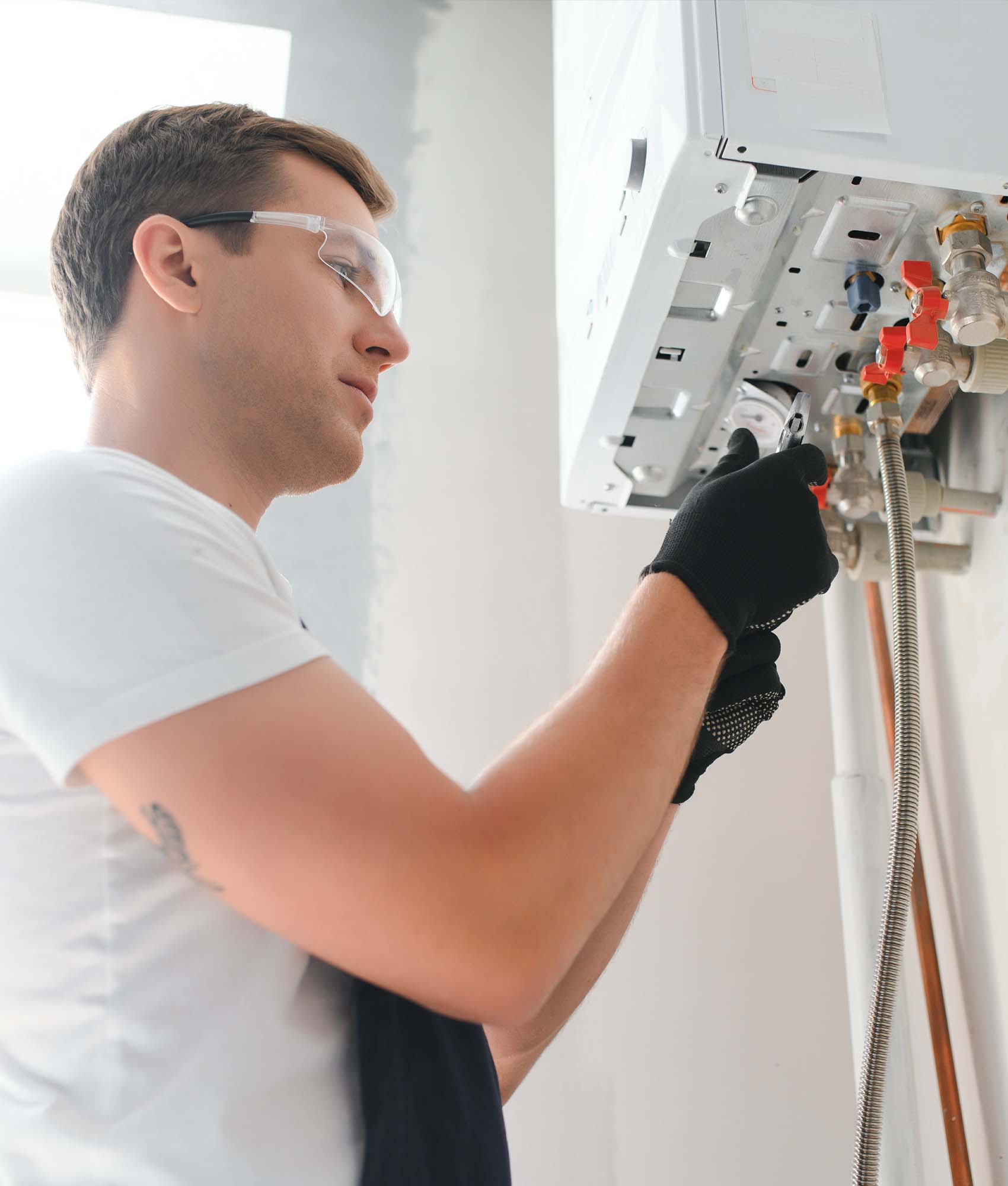
If you can maintain your Rinnai Gas Heater appropriately using a combination of simple homeowner checks and periodic professional servicing, you can easily avoid preventable faults, inefficient operation, and premature replacement.
Key Takeaways
- When you notice reduced water flow, you should clean the water inlet filter and shower aerators to improve water flow.
- You mustn’t wait for the ignition batteries in your Rinnai Gas Heater to be completely depleted before you choose to replace them.
- You must always keep the heater, exhaust outlet, and the area surrounding the heater clean and unobstructed.
- Periodically contact an expert for professional inspection and servicing, especially when you notice the performance of the heater dip.
- If you find that your current gas heater breaks down often or needs continuous repairs, it may be time to replace the current unit.
Every time water flow is restricted, your water heater is forced to work harder. This often results in components becoming dirty, which in turn causes the unit to malfunction. A basic maintenance routine can help you identify these issues before they cause permanent damage to your Rinnai Gas Heater.
A few simple and regular checks, combined with occasional servicing by qualified professionals, can be enough to ensure long-lasting and optimal performance, helping you extend the lifespan of the water heater unit.
How Often Should You Clean The Water Inlet Filter And Shower Head Aerators?
Maintaining regular water flow is essential to the operation of a gas water heater. Dirt, sediment, and mineral deposits can gradually restrict the water inlet filter and shower head aerators, especially when you use it regularly in the household.
You can periodically inspect and clean accessible filters and aerators according to the manufacturer’s instructions. Remove visible debris carefully and ensure components are properly refitted afterwards.
What Should You Check?
Key areas to check during your regular household inspection include:
| Component | What to Look For | Recommended Action |
| Water inlet filter | Reduced flow or visible debris | Clean according to manufacturer instructions |
| Shower aerator | Weak or uneven water flow | Remove deposits and rinse thoroughly |
| Shower head | Blocked outlets | Clean accessible openings |
| Water connections | Leaks or moisture | Arrange professional inspection if leaking |
Table: Simple water-flow checks for Rinnai gas heater maintenance
At the same time, you must remember to avoid spraying water into electrical components or the remote controller, as it isn’t waterproof.
Another thing to remember here is that while regular inspections and maintenance are important to ensure optimal heater performance, you must also remember not to dismantle gas components or attempt repairs that require specialised knowledge. You must leave such specialised maintenance work or Rinnai heater installation to professional experts only.
What Does An Efficient Maintenance Schedule Look Like?
Regular inspection and maintenance is key to optimal performance of your water heater. However, that does not mean that you have to check your water heater, shower heads, and other components every time you enter the bathroom. You can maintain a very simple maintenance routine as described below.
| What to Check | What You Should Look For | Why It Matters |
| Water flow | Reduced or inconsistent hot-water flow | May indicate a blocked inlet filter or aerator |
| Ignition | Slow or unsuccessful ignition | Could indicate weak batteries or another fault |
| Exhaust outlet | Dirt, debris, or obstruction | Restricted exhaust can create a serious combustion concern |
| External condition | Leaks, unusual noise, or visible damage | Can indicate a developing fault |
| Temperature | Unexpected temperature fluctuations | May indicate flow, pressure, or equipment issues |
| Professional inspection | Faults, combustion, and component condition | Helps identify issues that homeowner checks cannot safely assess |
Table: Routine checks that can help protect your gas water heater
The important point here is to ensure consistency with your regular inspections and maintenance activities. You will find it worthwhile to check for small changes in water flow, ignition, or operating behaviour, as this can improve the Rinnai gas heater lifespan.
Several Rinnai gas heater models use batteries for electronic ignition, although the exact battery type and arrangement vary from one model to the other. However, even with long-life batteries, the performance lifespan of the battery can often vary based on how you use the equipment.
If you’re trying to identify a malfunctioning ignition battery, a common warning sign is the ignition becoming slower or less reliable. When you see this happening, don’t wait for the batteries to be completely exhausted. Instead, you should check the battery type and specifications according to your specific water heater model and replace them with the correct battery type immediately.
Key Battery Maintenance Checklist
- Check the battery compartment according to the manufacturer’s instructions.
- Use the battery type specified for your model.
- Replace batteries showing signs of leakage.
- Ensure batteries are installed with the correct polarity.
- Do not continue troubleshooting ignition problems by repeatedly changing batteries if the fault persists.
A fresh battery may not be the ideal solution for every ignition problem. If your gas heater continues to fail to ignite, produces unusual sounds, or displays an error, stop treating it as a simple battery issue and schedule a professional assessment.
What Should A Professional Check During An Annual Inspection?
An annual professional inspection provides you with an opportunity to identify problems that cannot be safely or easily assessed through routine homeowner maintenance. A qualified technician has the necessary skills and knowledge to examine the heater’s condition, connections, and operation while checking for issues that could affect the unit’s performance or safety.
Key areas that the qualified professional must inspect during the annual inspection include:
- Gas connections and supply.
- Water connections and potential leaks.
- Burner and ignition operation.
- Ventilation and exhaust arrangements.
- Heat exchanger condition.
- Water flow and temperature performance.
- Signs of corrosion or component deterioration.
- Overall operating condition.
If you’re experiencing problems such as a foul smell, repeated ignition problems, abnormal sounds, inconsistent heating, or changes in performance, professional servicing is the ideal solution for you. You must always seek professional assistance when your gas heater experiences any fault that involves gas connections, internal components, combustion, or other safety-critical parts.
What Are Some Key Maintenance Signs That You Should Never Ignore?
You must always keep an eye out for changes in your heater’s normal operation, as even the slightest of problems could indicate that your unit needs professional attention. You must pay particular attention to key signs, including:
- Inconsistent hot water.
- Repeated ignition failures.
- Unusual noises during operation.
- Unexpected changes in water temperature.
- Reduced water flow.
- Visible water leakage.
- Persistent error indications.
- Unusual smells.
If you see these symptoms, it does not necessarily mean that your heater needs to be replaced right away. However, if you continue to use a heater that is showing persistent problems without having it professionally inspected, it can easily lead to a minor fault developing into a more significant issue.
When Should You Consider Gas Water Heater Replacement In Singapore?
Regular maintenance can extend the useful life of your heater, but every appliance eventually reaches a point where replacement becomes more practical than repeated repairs. If your heater experiences recurring faults, requires increasingly frequent repairs, or no longer provides reliable performance, it may be time to consider gas water heater replacement in Singapore.
However, don’t just calculate the age of the unit when considering your need to replace the water heater. Instead, you must consider the heater’s overall condition, repair history, operating performance, and the likely cost of continued maintenance.
When you’re thinking about replacing old water heater equipment, make sure that the replacement model is appropriate for your household’s hot-water requirements and installation conditions. You can also consult a professional to get qualified advice on whether repair or replacement is the more practical option for your household. This will help you make informed decisions to meet your hot water requirements.
Key Maintenance Steps To Extend Your Rinnai Gas Heater Lifespan
You can ensure greater Rinnai gas heater lifespan by following a simple routine that includes:
- Check water flow regularly for changes that could indicate blocked filters or aerators.
- Replace ignition batteries proactively rather than waiting for complete failure.
- Arrange annual professional inspections to identify developing faults.
- Respond quickly to unusual behaviour rather than continuing to operate a faulty appliance.
- Keep installation and ventilation areas clear and follow the manufacturer’s operating guidance.
- Use qualified professionals for gas-related servicing, repairs, and installation work.
When you maintain your heater correctly, it will give you a lot more than longevity. It will help you avoid preventable faults and costly repairs while also ensuring reduced power consumption and improved efficiency.
Final Takeaway: Maintain Your Heater Before Problems Become Breakdowns
Your Rinnai gas heater does not require complicated daily maintenance; instead, it requires small checks that can ensure optimal performance. If you can keep water-flow components clean, replace ignition batteries before failure, and arrange professional inspections regularly, it can often prove to be the difference between a problematic unit and a long-lasting one.
Also, when you notice that the performance of the heater unit has started to change repeatedly, do not automatically assume that replacement is necessary. Instead, you should have the heater assessed by a professional expert so that they can help you make an informed repair-or-replacement decision.
Need Professional Help With Your Rinnai Gas Heater?
Speak with a qualified professional to assess your Rinnai Gas Heater, identify potential issues with it, and determine whether maintenance, repair, or replacement is best for the unit.
Frequently Asked Questions
- How Often Should I Clean My Rinnai Gas Water Heater’s Water Inlet Filter?
While the frequency of the cleaning schedule will depend on the timeline mentioned in the maintenance instructions for your specific model, you can conduct more basic inspections regularly, including checking the inlet filter every time the water flow decreases or when there has been plumbing work nearby.
- My Hot-Water Flow Is Weaker Than Before. What Could Be The Possible Cause?
Well, a blocked water inlet filter or shower aerator can often lead to restricted hot-water flow. You should check these accessible components according to the manufacturer’s instructions and clean any debris. However, if the issue persists, you should get a professional assessment and servicing to resolve the problem.
3.My Rinnai Gas Heater Is Making Unusual Noises. Is It Time To Replace It?
Not necessarily. There could be multiple reasons behind the unit making unusual noise. In some cases, it may indicate a developing mechanical or combustion issue. The ideal thing for you would be to arrange a professional assessment rather than assuming replacement is immediately necessary.
4.Is It Safe To Use A Gas Water Heater With A Blocked Exhaust Outlet?
No, it isn’t. A blocked exhaust can create a combustion hazard. Additionally, if you continue to use the Rinnai gas heater with a blocked exhaust for a continued period, it can eventually lead to incomplete combustion.
5.Can Professional Installation Affect The Long-Term Performance Of My Water Heater?
Yes, it can. Proper Rinnai heater installation is very important for the gas heater to operate safely and reliably. Professional installation will help you avoid making any mistakes that could later on become a major impediment that prevents the unit from functioning properly.