

Signs It’s Time to Upgrade Your Old Water Heater

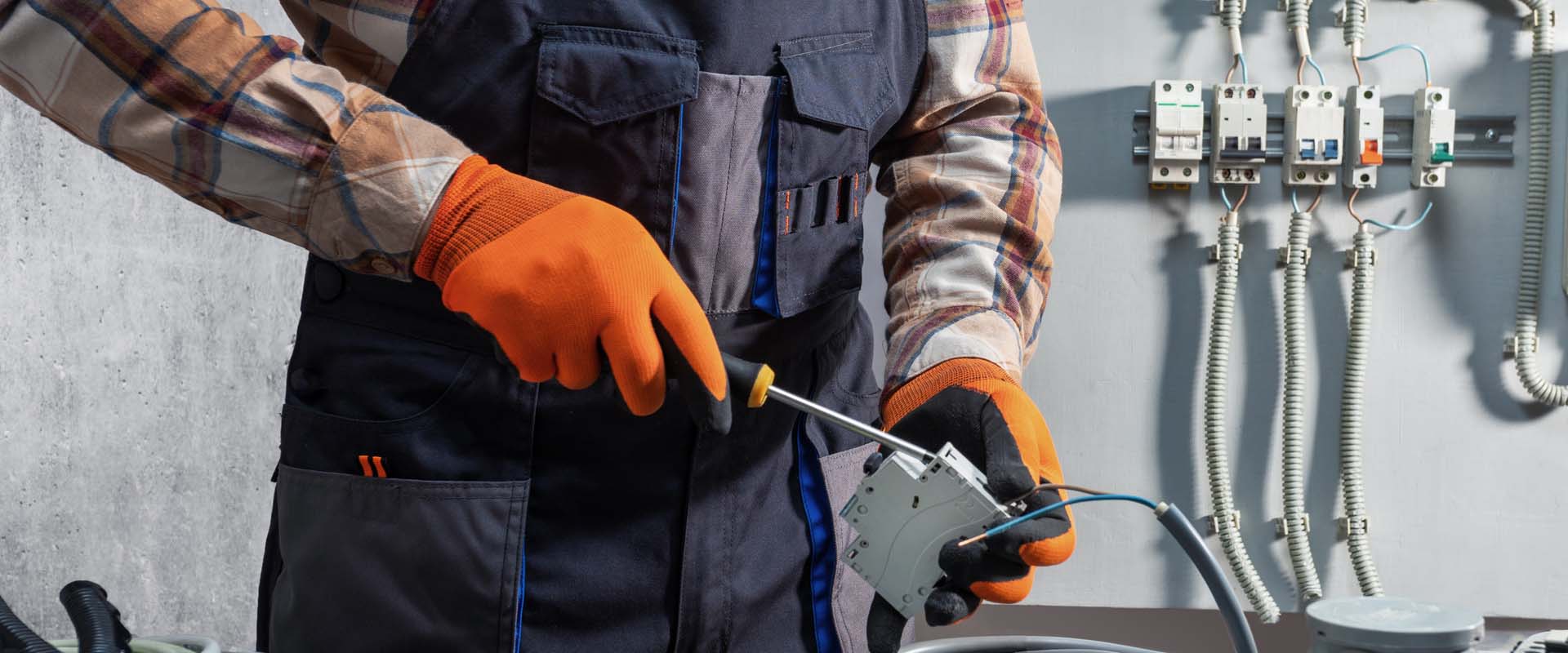
An ageing, sediment-heavy water heater is a ticking clock. Waiting until the cool, rainy weeks of the Northeast Monsoon to fix a noisy or leaking unit usually means dealing with sudden ice-cold showers, expensive emergency plumbing fees, or costly repairs for water damage inside your false ceiling.
An ageing, sediment-heavy water heater is a ticking clock. Waiting until the cool, rainy weeks of the Northeast Monsoon to fix a noisy or leaking unit usually means dealing with sudden ice-cold showers, expensive emergency plumbing fees, or costly repairs for water damage inside your false ceiling.
Key Takeaways
The Monsoon Strain: Colder municipal inlet water during the Northeast Monsoon forces scaled-up heating elements to overwork at peak wattage, accelerating terminal burnouts and inflating SP Group utility bills.
Severe Electrical Risks: Persistent tripping of your home’s main distribution board (DB box) or Residual Current Circuit Breaker (RCCB) indicates water has breached the heating element’s protective jacket, creating an immediate electrical safety hazard.
Hidden Ceiling Damage: Micro-leaks caused by internal tank fractures pool silently behind HDB or condominium false ceilings, triggering toxic black mould growth and structural masonry rot long before visible drops appear.
Zero Repair Feasibility: Internal tank corrosion or structural liner splits cannot be repaired. To prevent sudden tank ruptures, a full, compliant system replacement is required.
A water heater provides a continuous supply for bathing, cooking, and cleaning. In Singapore, people use instant water heaters for comfortable and temperature-regulated showers during the monsoon and cold seasons.
Storage vs. Instant Water Heaters
Choosing between a storage and an instant water heater in Singapore isn’t just about the purchase price- it directly dictates your daily shower comfort and monthly SP Group utility bills, especially when the cooler Northeast Monsoon hits.
Is a storage or instant water heater better in Singapore?
Instant water heaters are highly energy-efficient, tankless units ideal for space-saving HDB installations, but are limited to single-shower outlets. Storage water heaters are essential for running luxury rain showers or multiple bathroom mixers simultaneously, though they consume more standby electricity and require false ceiling access.
The Monsoon Shock: How Glazing and Inlet Temperatures Impact Performance
When ambient temperatures drop during Singapore’s rainy season, the municipal grid water entering your home becomes significantly colder.
Storage Water Heaters easily deliver boiling-hot water regardless of the weather because they pre-heat a massive volume of water inside an insulated tank. However, if the tank is old and coated in calcified sediment, it will take twice as long to recover once emptied, causing your energy bills to skyrocket during the winter months.
Instant Water Heaters must instantly bridge this temperature gap on demand. Because they feature a fixed electrical wattage limit, an older or lower-end instant heater may struggle to get the water piping hot without drastically reducing the shower’s flow rate.
| Operational Metric | Storage Water Heater Systems | Instant Water Heater Systems |
|---|---|---|
| Average Local Lifespan | 8 to 12 Years (Heavy thermal stress caps tank life) | 15 to 20 Years (No structural storage tank to corrode) |
| Heating Mechanism | The insulated immersion element heats a fixed tank capacity. | High-wattage copper or coil elements heat water instantly on demand. |
| Water Supply Delivery | Supplies multi-outlet points simultaneously (rain showers, mixers). | Single-point delivery (typically dedicated to one shower unit). |
| Primary Failure Vectors | Tank weld corrosion, inner lining cracks, or sediment calcification. | Heating element scaling, flow sensor faults, or thermal cut-out failure. |
Table: Storage vs. Instant Water Heater
Lifespan of a Storage Water Heater
A storage water heater typically has an approximate lifespan of 8 to 12 years.
How it works:
- It heats water continuously and stores it in an insulated tank.
- When the tap is turned on, it delivers pre-heated water to you instantly.
- The tank is then automatically refilled with cold water and heated for further usage.
Lifespan of an Instant Water Heater
It is a type of tankless energy-efficient water heater that heats water on demand. Unlike a storage water heater, instant systems heat the exact amount of water you need. It lasts typically up to 20 years with proper maintenance.
How it works:
- When the hot water tap is turned on, cold water flows through the unit.
- The cold water gets heated through a high-wattage electric heating element.
- It supplies a continuous stream of hot water as long as the tap remains open.
What Are The Critical Warning Signs Your Water Heater is Failing?
Here are some signs that your electric water heater is past its prime.
Persistent Electrical Tripping
A water heater operates by drawing a massive amount of power. So, when you turn on your electric water heater and your house lights start to trip, it usually indicates a severe electrical leakage.
What actually causes this:
Due to continuous thermal expansion and contraction over the years, the protective layer around the heating element cracks and allows the water to seep through the fracture, which can be a key cause of a short circuit.
Due to Singapore’s high humidity, the electric wiring starts oxidising, which can cause rust and corrosion and ultimately lead to current leakage.
Discoloured, Rusty, or Metallic-Smelling Hot Water
- The water inside the instant water heater can be discoloured, rusty, or metallic-smelling due to internal corrosion.What causes it:
- A magnesium or aluminium rod is used in the tank to prevent rust and corrosion. But when the rod dissolves, the rust attack begins, and the rust ultimately dissolves in the stored water.
- Due to prolonged and extreme temperature fluctuation, the steel metal continuously expands and contracts, leading to the cracking of the inner glass lining by exposing water to the raw steel wall of the tank, which actually accelerates the corrosion process.
Water Pooling and Micro-Leaks Behind False Ceilings
What causes this:
When the storage water heater exceeds its usual lifespan, its inner steel layer starts to expand and contract due to the continuous heating and cooling process, which creates micro-fractures and allows hot water to escape toward the false ceiling panel.
If the pressure relief valve inside the insulated tank gets blocked with mineral accumulation, the excess pressure of the valve allows the water to leak through the tank’s weaker pipe connection thread.
Unusual Internal Noises
Unusual internal noise, for example, popping, banging, and rumbling, could be a sign that your electric water heater needs an upgrade.
What causes these sounds:
- Over time, the accumulation of minerals at the bottom of the tank creates a rocky crust over the heating element. When water gets trapped beneath this layer, it makes a loud popping sound, similar to that of popping corn.
- This thick layer of mineral expands when heated and contracts during cooling, which creates a banging sound.
- The rumbling sound effect occurs due to the collapse of the vapour bubble when the heating element takes a long time to heat the water because of the crystallised mineral that acts as a thermal barrier.
Lifespan of a Storage Water Heater
A storage water heater typically has an approximate lifespan of 8 to 12 years.
How it works:
- It heats water continuously and stores it in an insulated tank.
- When the tap is turned on, it delivers pre-heated water to you instantly.
- The tank is then automatically refilled with cold water and heated for further usage.
Lifespan of an Instant Water Heater
It is a type of tankless energy-efficient water heater that heats water on demand. Unlike a storage water heater, instant systems heat the exact amount of water you need. It lasts typically up to 20 years with proper maintenance.
How it works:
- When the hot water tap is turned on, cold water flows through the unit.
- The cold water gets heated through a high-wattage electric heating element.
- It supplies a continuous stream of hot water as long as the tap remains open.
What Are The Critical Warning Signs Your Water Heater is Failing?
Here are some signs that your electric water heater is past its prime.
Persistent Electrical Tripping
A water heater operates by drawing a massive amount of power. So, when you turn on your electric water heater and your house lights start to trip, it usually indicates a severe electrical leakage.
What actually causes this:
- Due to continuous thermal expansion and contraction over the years, the protective layer around the heating element cracks and allows the water to seep through the fracture, which can be a key cause of a short circuit.
- Due to Singapore’s high humidity, the electric wiring starts oxidising, which can cause rust and corrosion and ultimately lead to current leakage.
Discoloured, Rusty, or Metallic-Smelling Hot Water
The water inside the instant water heater can be discoloured, rusty, or metallic-smelling due to internal corrosion.
What causes it:
- A magnesium or aluminium rod is used in the tank to prevent rust and corrosion. But when the rod dissolves, the rust attack begins, and the rust ultimately dissolves in the stored water.
- Due to prolonged and extreme temperature fluctuation, the steel metal continuously expands and contracts, leading to the cracking of the inner glass lining by exposing water to the raw steel wall of the tank, which actually accelerates the corrosion process.
Water Pooling and Micro-Leaks Behind False Ceilings
Water pooling and micro leaks are one of the key reasons for hazardous mould growth.
What causes this:
- When the storage water heater exceeds its usual lifespan, its inner steel layer starts to expand and contract due to the continuous heating and cooling process, which creates micro-fractures and allows hot water to escape toward the false ceiling panel.
- If the pressure relief valve inside the insulated tank gets blocked with mineral accumulation, the excess pressure of the valve allows the water to leak through the tank’s weaker pipe connection thread.
Unusual Internal Noises
Unusual internal noise, for example, popping, banging, and rumbling, could be a sign that your electric water heater needs an upgrade.
What causes these sounds:
- Over time, the accumulation of minerals at the bottom of the tank creates a rocky crust over the heating element. When water gets trapped beneath this layer, it makes a loud popping sound, similar to that of popping corn.
- This thick layer of mineral expands when heated and contracts during cooling, which creates a banging sound.
- The rumbling sound effect occurs due to the collapse of the vapour bubble when the heating element takes a long time to heat the water because of the crystallised mineral that acts as a thermal barrier.
Delayed Heating Times
In older electric water heaters, this is a common issue faced frequently by users.
What causes this:
- It is usually caused by mineral accumulation over the heating element at the bottom of the tank. The accumulated mineral layer thickens and hardens over time, which acts as a thermal barrier. As a result, the water needs a longer time than usual to be heated properly.
- Many energy-efficient water heaters use two heating elements, one at the upper for rapid heating and emergency usage and the other at the bottom, to heat water normally. If, over time, the upper element stops working, the lower element alone heats the whole tank of water, which can also cause the delay.
How to Diagnose a Failing Storage/Instant Water Heater
Here are some diagnostics you can run if you suspect your electric water heater is no longer optimally functional.
Diagnostic Vector 1: Unusual Noises and Delayed Heating Times
The Problem: Hearing loud popping, cracking, or rumbling noises coming from your ceiling bay during a heating cycle, paired with taking twice as long to get hot water.
The Mechanical Cause: Calcium and minerals naturally found in the municipal water supply settle at the bottom of the storage tank over the years. This creates a hard, rocky crust directly over the heating element. Water gets trapped beneath this sediment layer, quickly boiling into steam pockets that snap and pop loudly as they escape. This thick scale layer acts as a thermal blanket, blocking heat transfer and forcing the unit to run longer, which can double your SP Group electricity bills.
The Ferroli Solution: Upgrading to a modern Ferroli electric water heater equipped with Blue Forever glass-lined heating elements prevents mineral scale from sticking to the surface. This maintains high heating efficiency and eliminates popping noises for years.
Why Does The Impact of the Northeast Monsoon on Ageing Systems Matter?
In Singapore, the equivalent of winter is actually the northeast monsoon that usually lasts between November and January. This period of the year accelerates the failure of ageing residential electric water heaters.
- Continuous rain and cold air make the source water entering the storage water heater colder, making it difficult for an older water heater to heat the water efficiently.
- An older heater with layers of hardened sediment needs to work hard and draw peak electrical wattage to ensure a continuous water supply during this cold weather. Due to this overstress, it can lead to the burnout of the heating element or even a short circuit.
To avoid such inconveniences, before this cold time period of the year, when you need comfortable night showers the most, replace your old water heater with a new electric water heater that is safe and perfect for your urban home.
1.Manhole and Access Clearance Evaluation
Step 1: Structural Access
Skilled technicians safely open the bathroom’s false ceiling panel to inspect the existing unit. They check if the current cutout space is large enough to safely extract the old, water-heavy storage tank without damaging your ceiling framework.
2.Double-Pole Isolator Safety Testing
Step 2: Electrical Isolation.
Before touching any plumbing, they isolate the power at the main DB board. Then, they test the external double-pole isolator switch with a voltage meter to confirm there is zero residual current, ensuring a completely safe workspace.
4.New Anchor Positioning and Alignment
Step 4: Precision Mounting
Technicians inspect the masonry wall or ceiling structure. Using heavy-duty corrosion-resistant anchor bolts, they will then securely mount the new Ferroli storage tank, making sure it sits completely level to prevent uneven internal sediment pooling.
5.Dielectric Union and Valve Assembly
Step 5: Plumbing Integration
The inlet and outlet pipes are connected using premium copper lines or high-grade flexible hoses. A brand-new pressure relief safety valve and non-return check valves are installed to ensure the system handles pressure safely.
6.High-Amperage Wiring and Earth Verification
Step 6: Electrical Commissioning
The electrical lines are connected directly into the water heater’s internal thermostat terminals. Technicians will perform a mandatory earth-continuity test to confirm your home’s RCCB safety switches will respond instantly to any future power drops, preventing electrical hazards.
Points to note
Knowing the following aspects is crucial if you want to replace your old water heater and make sure you choose to get the installation service from a specialised and experienced service provider for a professional installation.
- Poor installation can make your brand-new water heater operate inefficiently. After verifying your home’s electrical wiring, the experienced and specialised installation team proceeds towards a professional installation.
- The existing manhole and access panel need to be evaluated properly in HDB and condos to check if the cutout is too small for the old heater extraction.
- The skilled technicians also inspect the external double-pole isolator switch and eliminate the unnecessary electrical tripping once the installation is done.
Secure Safety and Climate Resilience for Your Urban Home
Waiting for your water heater to completely fail before replacing it is a high-risk approach for any Singapore homeowner. In our high-density HDB estates and luxury condominiums, a failed water heater rarely breaks down quietly- it usually manifests as an immediate emergency involving shorted electrical systems, tripped circuit breakers, or costly water damage that destroys your bathroom’s false ceiling panels.
Managing an aging appliance is a critical step in proactive home maintenance. The physical combination of heavy calcium scale, expanding metal tanks, and the increased heating demand caused by cooler monsoon rainwater means that old systems face a high risk of failure during the wet season.
Upgrading to an advanced, energy-efficient water heater from Ferroli protects your assets, ensures your family’s safety, and keeps your monthly utility costs manageable. By taking action and replacing your aging system before the monsoon arrives, you guarantee a safe, reliable, and perfectly regulated supply of hot water for your household for the next decade.
Don’t Wait for a Monsoon Breakdown: Upgrade to Ferroli Today
Switch to a reliable, high-performance water heating solution with Ferroli Singapore. Backed by decades of advanced European engineering, Ferroli water heaters combine energy-saving efficiency with top-tier safety features- including porcelain enamel tank protection and scale-resistant heating elements designed to handle Singapore’s urban water systems perfectly.
Frequently Asked Questions
Q1: Is It Possible to Repair a Leaking Storage Water Heater Tank?
A: No, a storage water heater tank leaking from its main body or base cannot be repaired. Leaks from the internal tank indicate that the metal has corroded through or fractured due to continuous thermal expansion. The entire unit must be replaced immediately to avoid sudden tank rupture, structural property damage, and electrical safety hazards.
Q2: Can an Old Water Heater Cause My Sp Group Electricity Bill to Increase?
A: Yes, an old water heater can significantly increase your electricity bill. As sediment accumulates inside the unit, it forms a thick insulating barrier around the heating element. This forces the heater to consume high amounts of electrical power for a much longer period just to reach your desired temperature, inflating your monthly utility costs.
Q3: Why is My Water Heater Making Loud Popping or Cracking Sounds?
A: Loud popping or cracking noises indicate a heavy accumulation of calcified mineral scale at the bottom of your storage water heater tank. During a heating cycle, water becomes trapped underneath this thick layer of hardened sediment. As the heating element warms up, the trapped water flashes into steam and expands rapidly, cracking through the rocky mineral layer with a loud popping sound. If your heater is making these noises, it means the element is overheating and struggling to transfer heat efficiently. The unit should be inspected and replaced before the element burns out completely.
Q4: Can I Replace My Old Storage Water Heater With an Instant Water Heater in an HDB Flat?
A: Yes, you can switch from a storage water heater to an instant water heater in an HDB flat, but it requires an electrical evaluation. Instant heaters heat water on demand and draw a much higher instant electrical load compared to storage heaters. A licensed electrician must verify that your bathroom’s electrical wiring and circuit breaker can safely handle the higher electrical load before the swap can be approved.