

The Singaporean’s Guide to a Macro Gas Heater: From Purchase to Responsible Usage

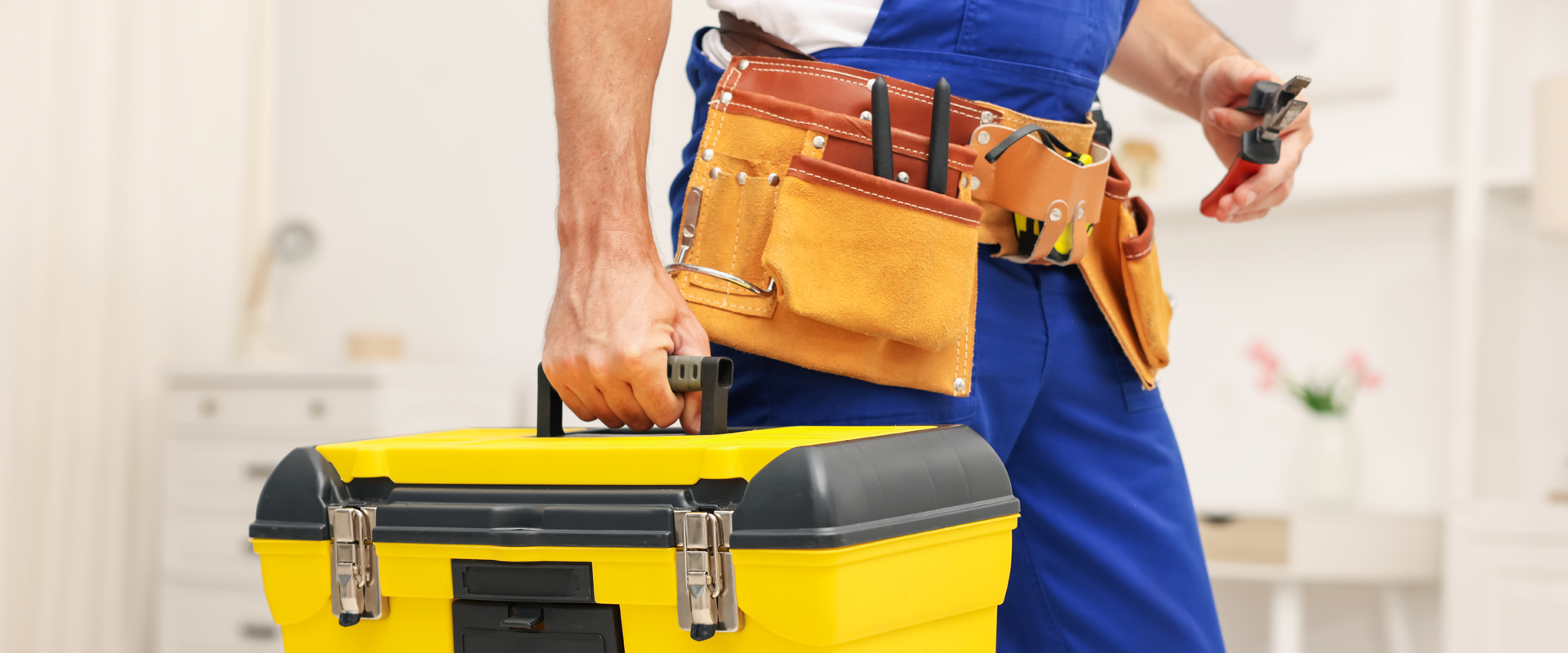
Macro gas heaters are highly valued in Singapore for delivering instant, uninterrupted hot water without bulky storage tanks or high electricity bills. Uniquely suited to local homes like HDBs and condos, they offer sleek digital control and consistent, energy-efficient performance.
Key Takeaways:
- Certified Regulatory Compliance: Every Macro gas heater installation is executed by EMA-licensed gas service workers and PUB-licensed plumbers, ensuring strict adherence to Singapore’s safety standards and city gas piping codes
- On-Demand Efficiency & Savings: Transitioning to a tankless, instantaneous Macro gas heater eliminates the standby energy losses of traditional electric storage tanks, reducing your monthly utility bills
- 20+ Years of Local Expertise: Da Yuan Electrical Services leverages over two decades of residential water heater experience to provide transparent, reliable, and expertly handled installations tailored to your property.
A macro gas heater is an instantaneous, tankless water heating system powered by gas. It heats water on demand as it flows through the unit, eliminating the standby energy losses of electric storage tanks.
Manufactured and designed for the Town Gas (City Gas) infrastructure of Singapore.
This guide will include the steps from the purchase of a macro gas heater to response usage in Singapore.
What are the Regulatory Frameworks Governing Macro Gas Heater Installations?
Macro heater installation in Singapore observes some regulatory frameworks.
The Gas Act 2001 was enacted in response to gas-related incidents in Singapore. These incidents shaped the stringent approach in Singapore, which requires that all gas installation work must be licensed, tested, and certified.
Who is allowed to install a Macro Gas Heater?
- Gas pipe work carried out or supervised by EMA-Licensed Gas Service Worker (LGSW)
- Water/plumbing work carried out or supervised by PUB-Licensed Plumber
- Electrical work must comply with EMA Electrical Regulations
Caution: Self-installation by homeowners is illegal under the Gas Supply Regulations of Singapore.
Here are the following standards that need to be met during a Macro Gas Heater installation-
- Gas Supply Regulations (Regulation 21)
- PUB (Public Utilities Board) Supply and Registration (S&R) standards
- SS 146-1:2008
- Protection by Equipotential bonding
All gas heater installations must be performed by an EMA-Licensed Gas Service Worker (LGSW). At completion, the installers must issue a Test Certificate.
Dayuan Electrical Services eliminates legal risk by providing cross-trained teams holding current EMA Gas and PUB Plumbing licenses. We handle all formal testing paperwork on-site, logging your installation directly into the national safety database under our licensed credentials.
The Macro Gas Heater Installation Process
Whether you are installing a new unit in a BTO flat or replacing an aging heater in a resale condo, understanding the installation process helps you evaluate quotes and ask the right questions.
The step-by-step installation workflow is as follows-
- Site assessment
- Supply and delivery
- Gas valve and stop valve replacement
- Gas pipe works
- Water pipe works
- New control panel installation
- Electrical works
- Heater installation and connection
- Testing and commissioning (U-Gauge pressure test)
- Certification and handover
The new installation of Macro Gas Heaters with pipe extension takes nearly 4-6 hours. On the other hand, standard replacement will take only 3-4 hours for the whole process.
Complex works, such as heavy corrosion, full pipe redo, and control panel installation, may require same-day or next-day follow-up.
Prices vary by complexity. Always request an itemized quote. Beware of unusually low quotes that exclude pipe works, certification, or bonding. These are legally required.
Using Your Macro Gas Heater Safely Every Day
Safe daily operations of your Macro Gas heater include understanding the control panel.
Do not flip your external electrical wall isolator switch off and on between every shower. Frequent power cycling creates unnecessary electrical surges across the microprocessors, triggering false error codes. Leave the isolator powered on during active household usage blocks.
A temperature adjustment of 45-50°C must be set for optimal comfort and energy balance.
To avoid ventilation issues, never use indoor gas heater models in a fully enclosed, unventilated space.
If you suspect a gas leak (smell of gas, hissing sound near gas pipes or valves, unusual spike in gas bills)-
- Do NOT switch any electrical switches on or off
- Do NOT use open flames
- Turn off the gas valve at the heater immediately
- Open windows and doors for ventilation
- Evacuate the premises
- Call City Gas emergency hotline: 1800-752-1800 (24 hours)
- Call a licensed gas service worker for inspection before resuming use
Some Common Issues Faced By Clients With Their Macro Gas Heaters
Sometimes your macro gas heater fires up, but water runs hot and then cold?
This is due to water pressure fluctuation or a partially blocked flow sensor.
- Check the incoming water pressure
- Check if another tap is running simultaneously (Pressure drop triggers modulation)
In case your macro heater won’t ignite, check-
- Is the gas valve open?
- Is the gas supply active?
- Is the isolation switch on?
Singapore Macro gas heaters connected to the Town Gas network are digital, mains-powered (AC) appliances plugged into an electrical isolator switch or 13A socket.
When to repair vs. replace?
- The unit is under 6 years old
- The fault is a single, identifiable component at a reasonable cost
- There is no corrosion on the gas pipe connections or heat exchanger
Consider replacement if:
- The unit is more than 8 years old, and repair costs exceed 50% of the new unit’s cost
- You are experiencing recurring errors across multiple components
- There is visible corrosion on pipes, valves, or the unit casing
- Physical gas or water leaks at the unit
- Rusty or discolored water from hot taps
The replacement process typically involves-
- Site assessment by a licensed technician
- Old unit safe removal and disposal
- Inspection of existing pipes- corroded sections must be replaced
- New unit installation per all regulations
- LGSW certification issued
Town gas in Singapore consists of 40-60% hydrogen, producing significantly less CO2 per unit of energy than electricity generated from natural gas.
NUS research indicates lower carbon emissions from gas water heating vs. electrical storage heating.
For sustainability-conscious homeowners, this is a meaningful consideration.
As advocates for sustainable urban living, Dayuan aligns our piping techniques with Singapore’s Green Plan initiatives to minimize energy friction loss. By optimizing the physical distance between your gas heater and mixer taps, we help you lower both gas usage and water wastage during morning startup phases.