

Everything You’ve Ever Wanted to Know About Water Heaters

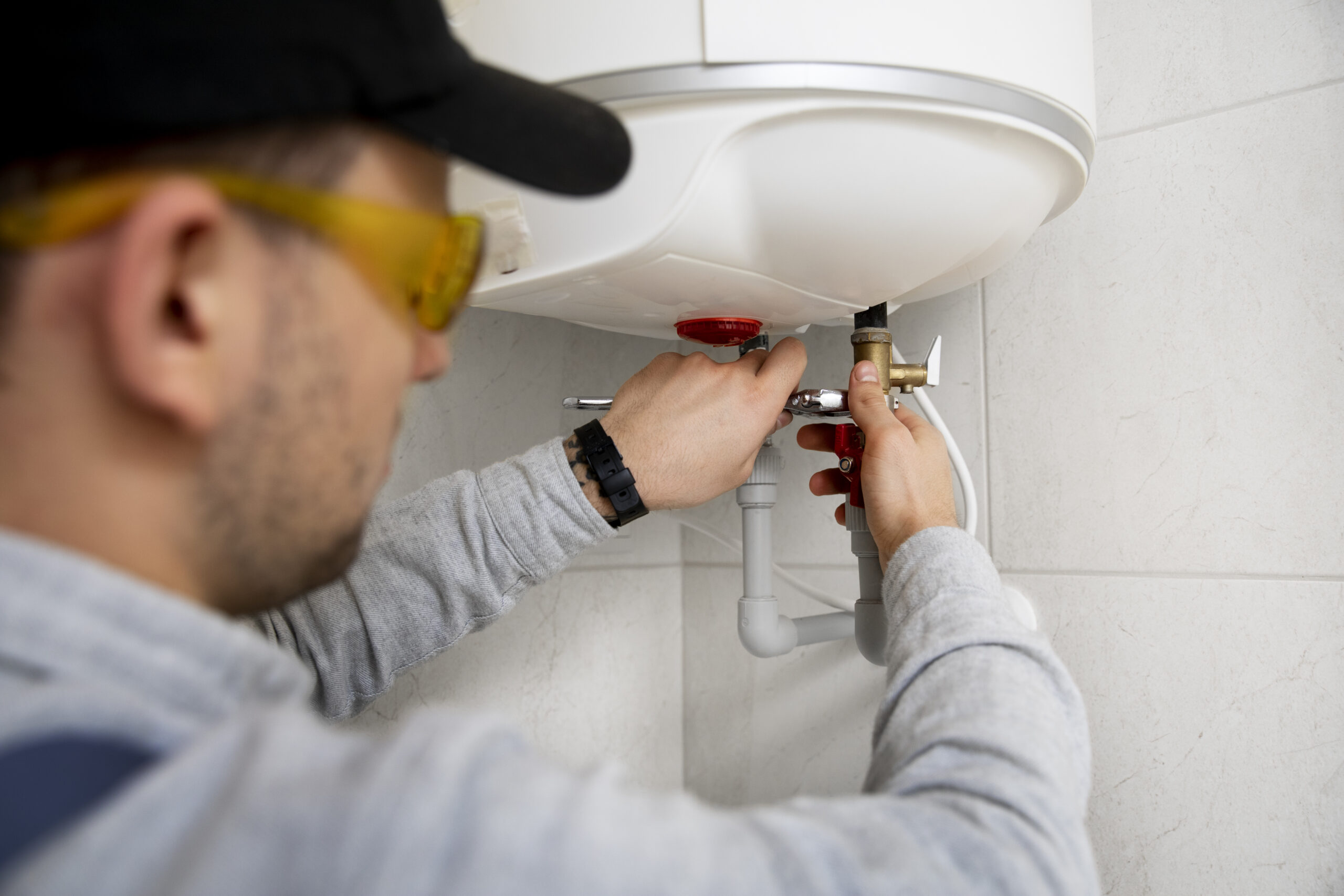
A water heater provides a steady supply of hot water for everyday tasks such as showering, cleaning, and washing dishes. Choosing the right type, selecting the appropriate capacity, and maintaining it regularly can improve energy efficiency, reduce repair costs, and ensure reliable performance for years.
Key Takeaways
- Understand the Types: Compare tank, tankless, solar, and hybrid water heaters to choose the best option for your household
- Choose the Right Capacity: Match the water heater’s tank size and output to your family’s hot water usage
- Maintain Regularly: Annual servicing and routine maintenance help improve efficiency and extend the unit’s lifespan
- Know When to Replace: Rusty water, leaks, unusual noises, and ageing units are common signs that it’s time for a replacement
The water heater is the unsung hero of your home, as it powers vital daily routines. From showers to dishwashing, you get the right water supply at the right time if this equipment is working properly. A common attitude among many homeowners is that they do not take care of their water heaters until they break down. This indicates the need for timely maintenance.
With several options available – from electric storage heaters to gas water heaters – it helps to understand how they work and which type suits your household. This guide covers everything Singapore homeowners need to know before buying or replacing a water heater.
How do Water Heaters Work?
Regardless of whether you choose an electric or gas water heater, both systems work by heating cold water and delivering it to your taps or shower whenever required. The main difference lies in how the heat is generated.
Depending on the type of system, a water heater either stores hot water in an insulated tank or heats water instantly as it flows through the unit. The heating source may be electricity or gas.
The main components of a storage water heater are:
Gas Valve or Burner Assembly: This component is used for heating while producing hot water. Electric heaters possess a heating element, whereas gas heaters use an open flame.
Thermostat: This device is used to control the temperature as it indicates how hot the water can become. This can be adjusted as per the user’s preference.
Drain Valve: This is placed at the bottom of the water heater on the outside. This helps to empty the tank to replace the element and remove sediment.
Pressure Relief Valve: This acts as a safety device that keeps the water pressure within safe limits.
Sacrificial Anode Rod: This remains suspended in the tank to keep it safe from corrosion. This attracts corrosive minerals, protecting the inner tank from rust and corrosion.
What are the Different Types of Water Heaters?
From tank water heaters to tankless heaters, Ferroli offers a range of water heaters to suit different household requirements.
| Water heater type | Best for | Pros | Cons |
| Tank water heater | Affordable water heating with a steady hot water supply | Low in price Multiple sizes Present in both gas and electric variants | High use of energy Space-consuming |
| Tankless water heater | Obtaining cold water on demand with limited space | Space-savingFriendlier to the environment Never run out of water | Costly Difficult installation processTakes time to prepare hot water |
| Solar water heater | Renewable energy water heating | Low maintenance Environmentally friendly Cost-saving via lowered energy costs | High upfront costNeeds roof space |
| Hybrid water heater | Energy-efficient whole-home water heating | Longer lifespanEnvironmentally friendly Higher energy efficiency than a tank | Noisy Works only in warm climates |
Comparison of different types of water heaters based on their ideal use cases, advantages,
While solar and hybrid water heaters are available, electric and gas water heaters remain the most practical choices for most homes in Singapore. They are easier to install, readily available, and suitable for a wide range of household sizes. Choosing between them depends on factors such as your home’s utilities, daily hot water usage, and installation requirements.
Instant Water Heater vs. Storage Water Heater: Which One Should You Choose?
Both instant and storage water heaters are popular choices for homes in Singapore, but they are designed to meet different household needs. Understanding their differences can help you choose the right option for your home.
| Feature | Instant Water Heater | Storage Water Heater |
| Heating Method | Heats water only when needed | Stores hot water in an insulated tank |
| Best For | Small households or single bathrooms | Families and homes with multiple bathrooms |
| Space Required | Compact and space-saving | Requires more installation space |
| Hot Water Supply | Suitable for one outlet at a time | Can supply multiple outlets simultaneously |
| Running Cost | Lower standby energy loss | Slightly higher due to stored hot water |
Comparison between instant and storage water heaters based on heating method, space requirements, hot water supply, and ideal household use
If you have limited bathroom space or only need hot water for one shower, an instant water heater is often the more practical choice. However, if your household frequently uses hot water in multiple bathrooms or at the same time, a storage water heater offers greater convenience and a more consistent supply.
How to Select the Right Water Heater for your Family?
Are you planning to buy a water heater in Singapore? If so, you need to consider your family size and capacity before booking us to install your Ferroli heater.
The gallon capacity is a key consideration for traditional water heaters. Hence, you have to decide based on the number of your family members. For tankless heaters, you need to understand GPM (Gallons Per Minute). This indicates the quantity of hot water a system can deliver continuously.
The First Hour Rating (FHR) refers to the volume of hot water that water heaters can supply in an hour with heavy usage. You must check this feature while buying to ensure that you do not run out of hot water supply during the peak usage period.
What Else Should You Consider Before Buying a Water Heater?
Besides family size and tank capacity, there are several other factors that influence your choice of water heater.
- Available Installation Space: Storage water heaters require sufficient wall or ceiling space, while instant water heaters are more compact and suitable for smaller bathrooms.
- Number of Bathrooms: If multiple bathrooms are likely to be used simultaneously, a larger storage water heater may be a better option than an instant model.
- Water Pressure: Some water heaters perform better under certain water pressure conditions. Checking your home’s water pressure before installation helps ensure optimal performance.
- Energy Efficiency: Choosing an energy-efficient water heater can help reduce monthly utility bills while maintaining consistent hot water performance.
- Future Household Needs: If your family is expected to grow, investing in a larger-capacity water heater now may save you the cost of upgrading later.
- Warranty Coverage: Choose a water heater backed by a manufacturer’s warranty and reliable after-sales support for greater peace of mind.
Considering these factors alongside your budget and usage habits can help you select a water heater that meets both your current and future needs.
How to Maintain a Water Heater?
Whether you use a gas water heater in Singapore or an electric heater, proper maintenance is non-negotiable.
Flush the Tank: The efficiency of the tank is minimized due to sediment buildup, and it can also be damaged. These deposits are removed when you flush the tank. This must be done once a year.
Check the Anode Rod: The anode rod in the tank is considered to tackle corrosion. You need to inspect it annually. Replace the component if it is highly corroded.
Inspect the Thermostat: The thermostat level is adjusted by the users to match their water requirements. You must verify the settings to ensure top-notch performance.
Examine the Pressure Relief Valve: Referring to the maintenance process of a water heater in Singapore, homeowners need to ensure that the valve is in a proper working condition. This is because the component helps in preventing excessive pressure buildup.
Insulate the Heater: Do you want to improve the efficiency of your heater? If yes, you must insulate it. This helps to minimize heat loss.
| Schedule Professional Servicing Although homeowners can perform basic maintenance such as flushing the tank and checking thermostat settings, professional servicing is equally important. A qualified technician can inspect the heating element, electrical connections, thermostat, safety valves, and other internal components to identify potential issues before they lead to costly repairs or unexpected breakdowns. Scheduling a professional inspection at least once a year helps keep your water heater operating safely and efficiently. |
What are the Common Signs that Indicate the Replacement of Your Existing Water Heater?
Here are the signs that indicate that your water heater is no longer meeting your requirements and you need a new one.
Age: The average lifespan of water heaters is 8 to 12 years. If your heater is older than that, you need a new one.
Rusty Water: Are you witnessing discolored water from the hot water tap? This indicates rust inside the tank, and you need to replace it.
Noise: If you hear banging or rumbling noises, there might be sediment buildup or internal damage. It’s time to bring a new one.
Leaks: Visible leaks around the tank indicate a serious issue. Therefore, it’s time to say goodbye to the existing heater.
Replacing an ageing or inefficient water heater early can help prevent unexpected breakdowns and improve energy efficiency.
How to Improve the Energy Efficiency of Your Water Heater
A few simple habits can help improve the efficiency of your water heater and reduce energy consumption.
- Set the thermostat to a suitable temperature to avoid unnecessary energy usage
- Flush the tank annually to remove sediment buildup
- Repair leaks promptly to prevent heat and water loss
- Insulate exposed hot water pipes where possible
- Schedule regular servicing to ensure all components are functioning efficiently
- Upgrade to newer energy-efficient water heaters when your existing unit reaches the end of its lifespan
Proper maintenance not only lowers energy costs but also extends the lifespan of your water heater.
Wrapping Up
Choosing the right water heater involves more than simply selecting a model. Understanding how different systems work, choosing the appropriate capacity for your household, and maintaining the unit regularly can help ensure reliable hot water while reducing energy costs. Whether you prefer an electric or gas water heater, investing in the right system will provide comfort and convenience for years to come.
Ready to Enjoy a Reliable Hot Water Supply?
Choosing the right water heater is only part of the equation – proper installation is equally important for safety, efficiency, and long-term performance. Whether you are installing a new water heater or replacing an existing one, selecting the right model for your household can make a significant difference to your daily comfort.
At Da Yuan Electrical Services, we are the authorized installer of Ferroli water heaters in Singapore. From helping you choose the right model to ensuring a safe and professional installation, our experienced team is here to assist every step of the way. We also provide professional replacement services for ageing or faulty water heaters.
Frequently Asked Questions
1. What Temperature Should I Actually Set My Water Heater Thermostat to?
The thermostat setting in your water heater depends on your preferences. An ideal setting is 120°F (49°C) to prevent scalding and save energy. Well, the default setting is 140°F (60°C) as it prevents the growth of bacteria like Legionella.
2. My Water Heater is Running Out of Hot Water Much Quicker Than It Used to. Why?
This is a common performance issue that many homeowners experience. If your heater is running out of hot water faster than expected, it indicates the failure of the lower heating element. Or, the internal “dip tube” has broken. This results in the mixing of incoming cold water and hot water at the top.
3. I Want to Switch from a Traditional Water Heater to a Tankless Heater. Is it challenging?
Switching needs a major retrofitting process, and it depends on whether you consider a gas heater or an electric heater. If you use a gas tankless system, larger gas lines are to be installed to handle the higher fuel demand and run new PVC venting through your wall. For electric tankless systems, an expensive upgrade is to be done in the main electrical panel of your home to handle the massive power.
4. My Hot Water is Smelling Like Rotten Eggs. Why?
If your hot water smells like rotten eggs but your cold water is fine, then the chemical reaction inside is the main reason behind it. The sacrificial anode rod (usually made of magnesium) reacts with natural sulfates and bacteria in the well or city water to produce hydrogen sulfide gas. All you need to do is replace it with an aluminum-zinc rod.
5. Why is My Water Pressure Much Lower When I Turn on the Hot Water?
If the cold water pressure is strong but your hot water pressure is not, then your pipes might be choked with mineral scale. Calcium builds up inside the hot water exit pipe of a tankless system over time. A good solution is to flush the system with food-grade vinegar.